Parenting is a journey of navigating your child's ever-changing world, from fleeting moods to developmental milestones. But sometimes, subtle shifts in behavior, persistent sadness, or sudden struggles in school can feel like more than just a passing phase. Discerning between typical childhood challenges and something more significant can be difficult, leaving parents wondering when to seek professional support. Recognizing these signals is the first, most crucial step in supporting your child's mental well-being.
This comprehensive guide is designed to provide clarity and direction. We will offer a clear, compassionate look at the most common signs your child needs counseling. Rather than offering generic advice, our goal is to equip you with specific, observable indicators across emotional, behavioral, and academic domains. You will learn to identify concerning patterns, understand how these signs may present differently across age groups, and gain actionable steps you can take to get your child the support they deserve.
This isn't about finding problems; it's about fostering resilience and ensuring your child has the tools to thrive. Throughout this article, we will explore:
Understanding when to reach out is an act of proactive, loving parenting. This list will serve as your roadmap to making informed, confident decisions for your child’s health and happiness.
It's normal for children to feel sad or disappointed occasionally. However, when these feelings become a constant presence, lasting for weeks or months, it could be one of the more significant signs your child needs counseling. This type of persistent sadness, hopelessness, or emptiness goes far beyond a temporary bad mood. It begins to seep into every aspect of their life, affecting their daily functioning, motivation, and interest in activities they once loved.
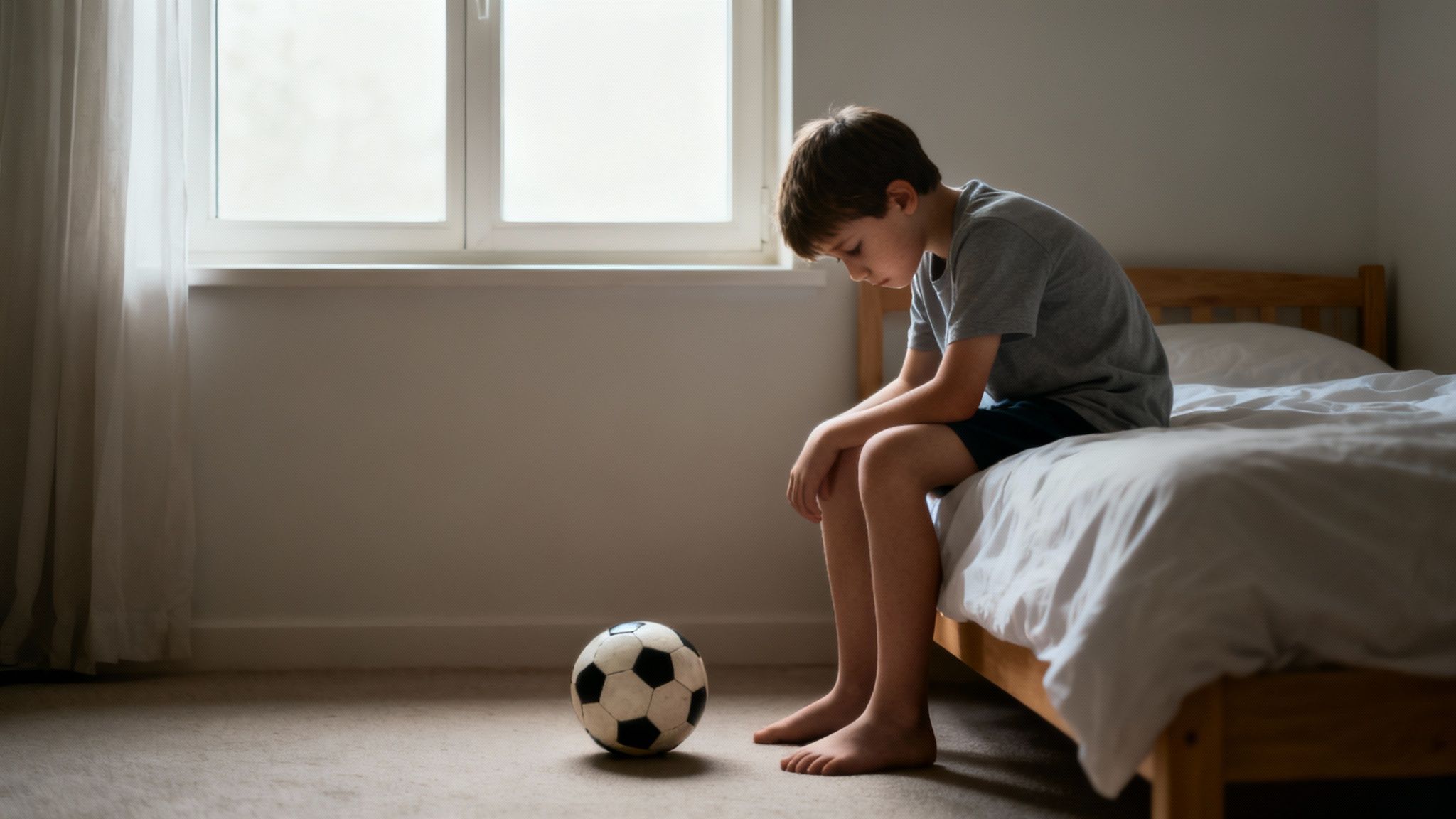
Unlike fleeting disappointment, these depressive symptoms are pervasive and can manifest differently depending on age and circumstance. For instance, a 9-year-old who previously lived for soccer might completely withdraw to their room after their parents' divorce, showing no interest in the sport. Similarly, a 16-year-old might exhibit chronic fatigue and irritability at school for months following the death of a close friend, with their grades starting to slip.
Observing and documenting these changes is a critical first step. Vague feelings are hard to act on, but specific, recorded observations provide clear data to share with professionals.
If these behaviors persist and impact your child's ability to function at home or school, it is time to seek professional support. A therapist can provide a safe space for your child to explore their feelings and develop coping strategies. For more information on identifying these specific symptoms, you can learn more about the signs of depression in children and teenagers on providersforhealthyliving.com.